Cardiometabolic remodelling:
a therapeutic target in cardiac disease
hypertrophic cardiomyopathy
diabetic cardiomyopathy
dilated cardiomyopathy
heart failure
Disease
SGLT2 inhibitor
small-molecule troponin activator
butyrate
Treatment
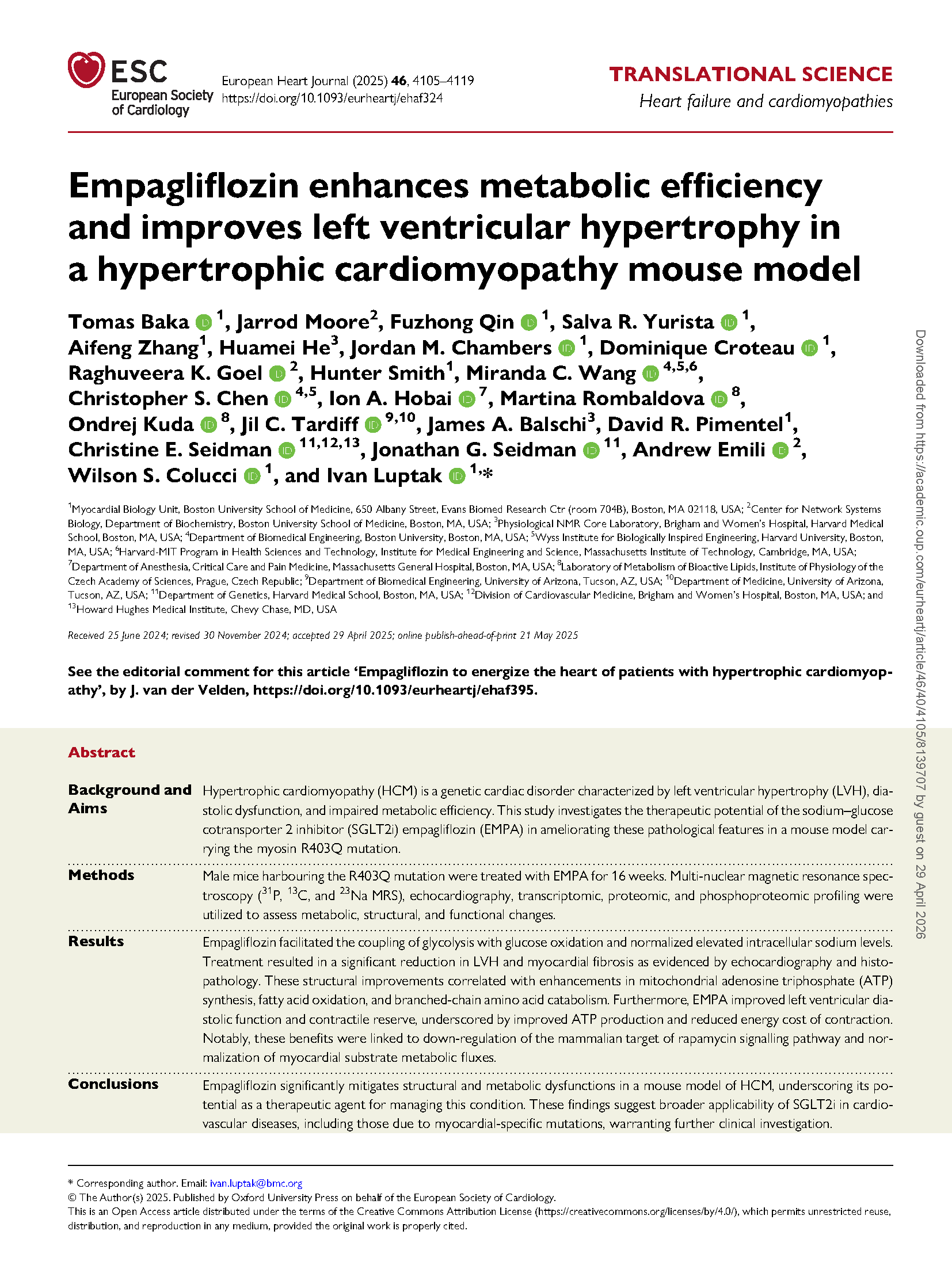
It has been well-established that the failing heart is energy starved and presents with a metabolic shift away from fatty acid oxidation to glucose oxidation. However, the role of impaired cardiac energetics and metabolism in the pathophysiology of cardiac disease is unclear. Furthermore, it is also unclear if improving cardiac energetics and metabolism by therapeutic approaches would result in improved cardiac phenotype or function.
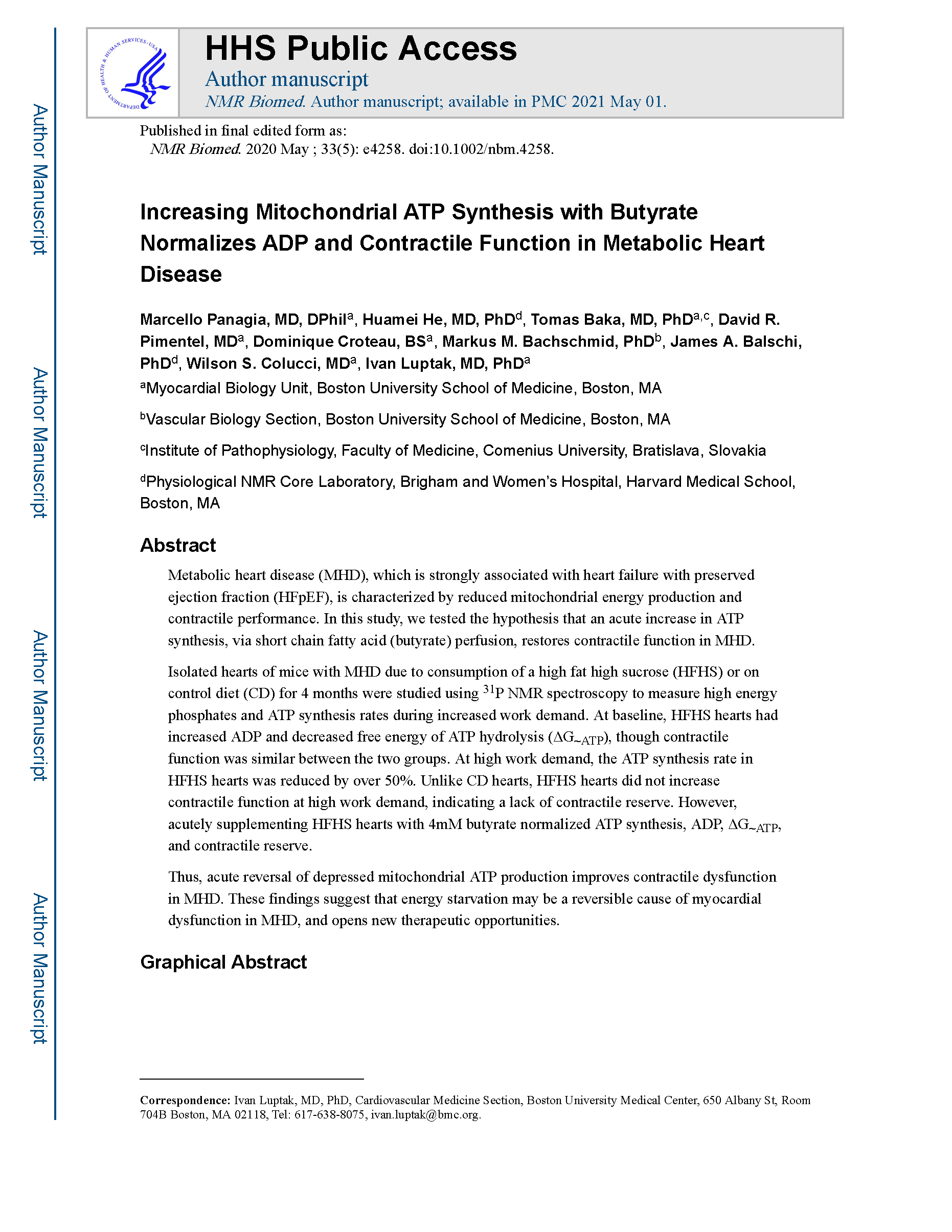
In a mouse model of diet-induced diabetic cardiomyopathy, we showed that increasing cardiac ATP synthesis with butyrate normalizes ADP and improves cardiac function.
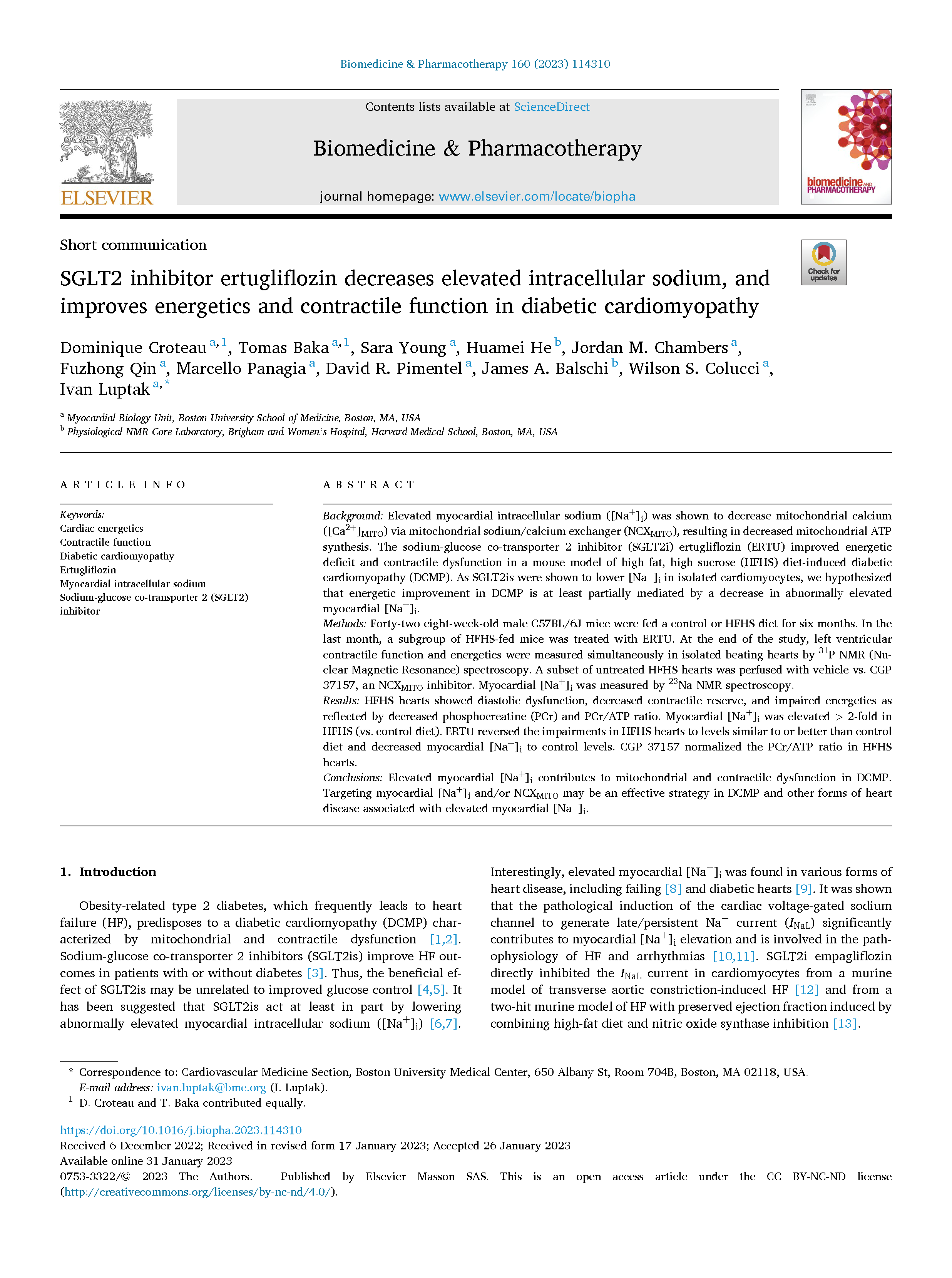
Furthermore, we tested the effect of two different SGLT2 inhibitors (ertugliflozin and empagliflozin) on cardiac metabolism, energetics and function in three different mouse models: diabetic cardiomyopathy, dilated cardiomyopathy due to cardiac-specific over-expression of Gαq, and hypertrophic cardiomyopathy due to cardiac myosin R403Q mutation. Overall, SGLT2 inhibitors improved cardiac metabolism and energetics by switching substrate oxidation from glucose back to fatty acids, and improving glycolysis/glucose oxidation coupling and oxidative phosphorylation. These beneficial cardiometabolic effects of SGLT2 inhibitors were associated with improved cardiac phenotype (attenuated cardiac remodeling) and function, and decreased cardiac intracellular sodium levels.
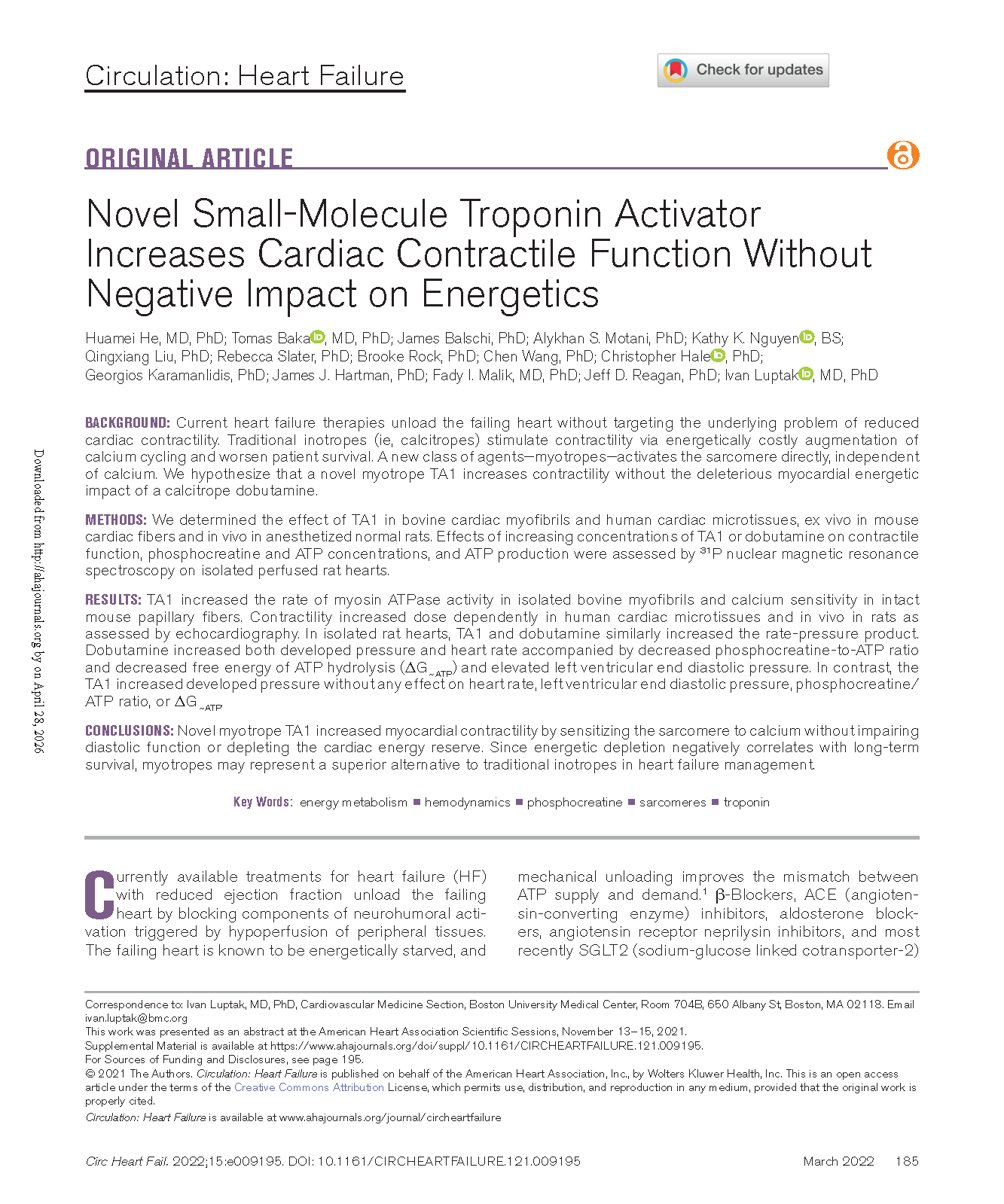
Moreover, we tested the effect of a small-molecule troponin activator on cardiac energetics, and showed that it increased myocardial contractility by sensitizing the sarcomere to calcium without impairing diastolic function or depleting the cardiac energy reserve.
Collectively, our results suggest that cardiac metabolic modulation is a potential therapeutic approach in cardiovascular disease.
Nondipping heart rate and chronotherapy
in cardiovascular disease
hypertension
heart failure
Disease
melatonin
ivabradine
Treatment
Blood pressure and heart rate undergo time-of-day-dependent changes reflecting the circadian oscillation of the sympathovagal balance. Nondipping, a phenomenon of insufficient blood pressure or heart rate decline from day to night, reflects an insufficient sympathetic overnight decrease associated with elevated cardiovascular risk.
Although nondipping blood pressure is considered a cardiovascular risk factor and a therapeutic target, nondipping heart rate is often overlooked. Thus, we reviewed the available studies to shed more light on this neglected cardiovascular risk factor.
Moreover, we suggested a chronotherapeutic approach (i.e. a time-of-day-dependent dosing scheme of heart rate-reducing drugs to mimic physiological oscillation) to target nondipping heart rate by melatonin or ivabradine. Melatonin exerts chronobiotic and sympatholytic effects; and ivabradine selectively reduces heart rate for approx. 12 hours, rendering both medications potentially effective in targeting nondipping heart rate.
Indeed, in a model of nitric oxide-deficient hypertension, we showed bedtime-dosed ivabradine to selectively target nondipping heart rate.
Collectively, our results suggest that targeting nondipping heart rate in hypertensive patients by bedtime dosing of melatonin or ivabradine would translate to decreased cardiovascular risk and subsequent cardiovascular benefits.




Melatonin to treat cardiovascular disease
Disease
hypertension
anxiety disorder
Treatment
melatonin
Melatonin, a secretory product of the pineal gland, exerts antioxidant, anti-inflammatory and antifibrotic properties.
In an established model of nitric oxide-deficient hypertension, we showed that melatonin decreased elevated blood pressure and improved the deleterious heart and kidney remodelling without affecting the renin-angiotensin-aldosterone system.
We also established a melatonin-deficient model of hypertension induced by continuous light (mimicking light pollution in humans) with consecutive target organ damage, where melatonin administration was associated with significant cardiovascular benefits.
Furthermore, we confirmed profound anxiolytic effects of melatonin.
Collectively, our results suggest therapeutic potential of melatonin in the management of hypertension.
Ivabradine to treat cardiac and kidney
injury in hypertension and heart failure
hypertension
cardiac and kidney injury
heart failure
anxiety disorder
Disease
Treatment
ivabradine
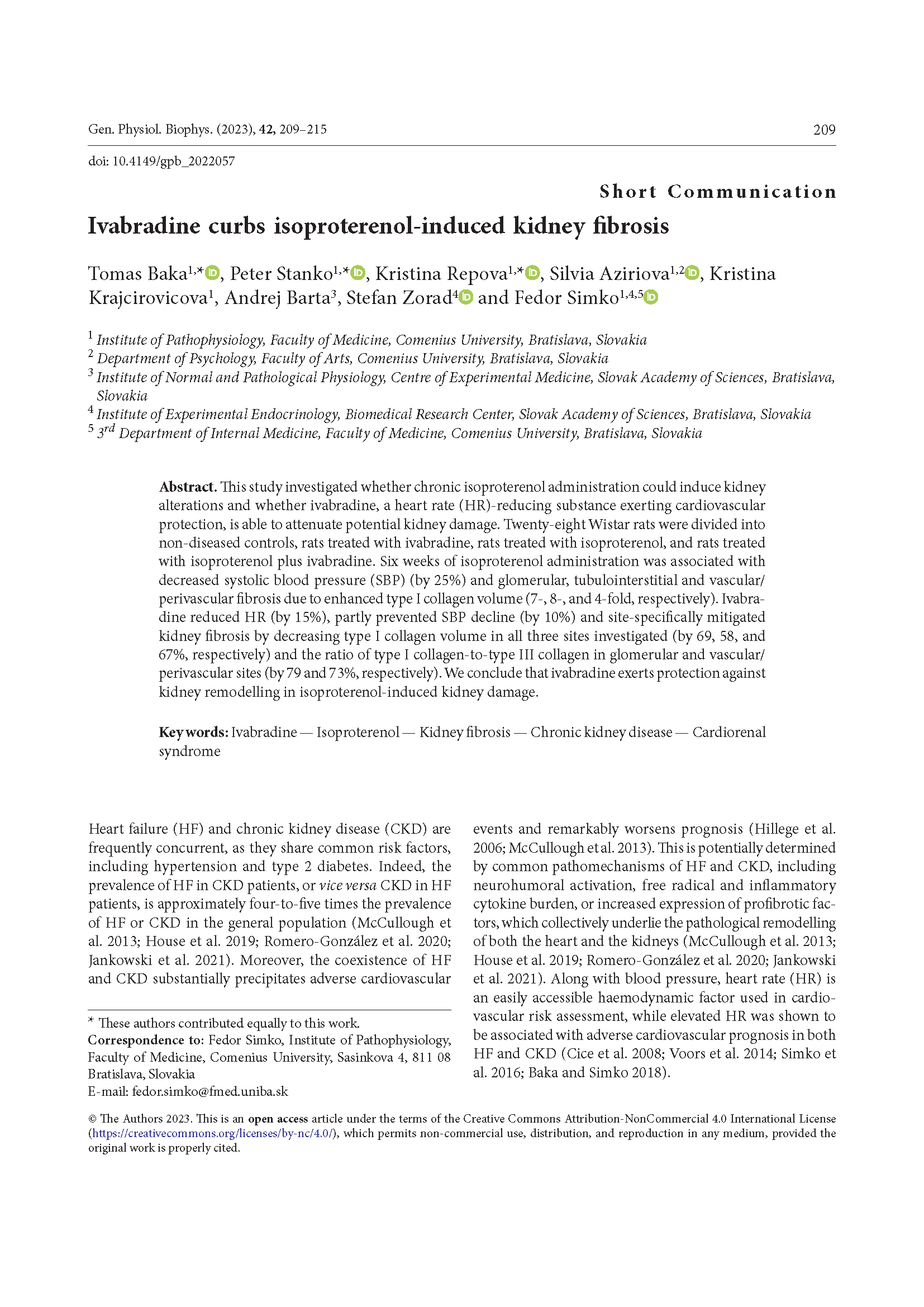
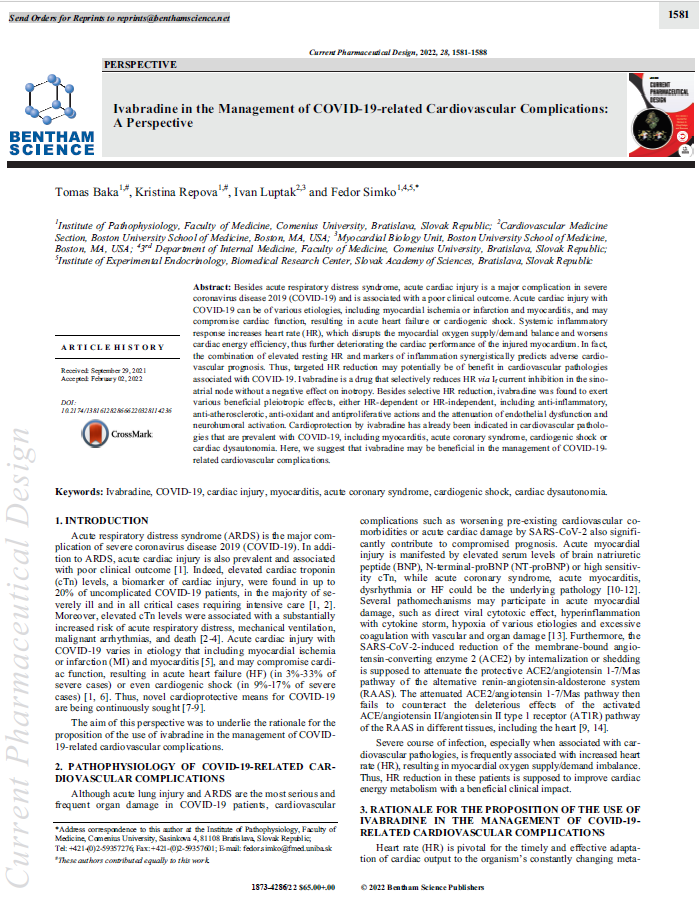
Ivabradine, a selective heart rate-reducing drug, is recommended in heart failure with elevated heart rate to reduce cardiovascular mortality. Besides heart rate-reducing effect, ivabradine was shown to exert anti-inflammatory, antiapoptotic, anti-remodelling, oxidative stress-reducing and endothelial function-improving effects potentially beneficial in other indications, e.g. myocardial damage and hypertension.
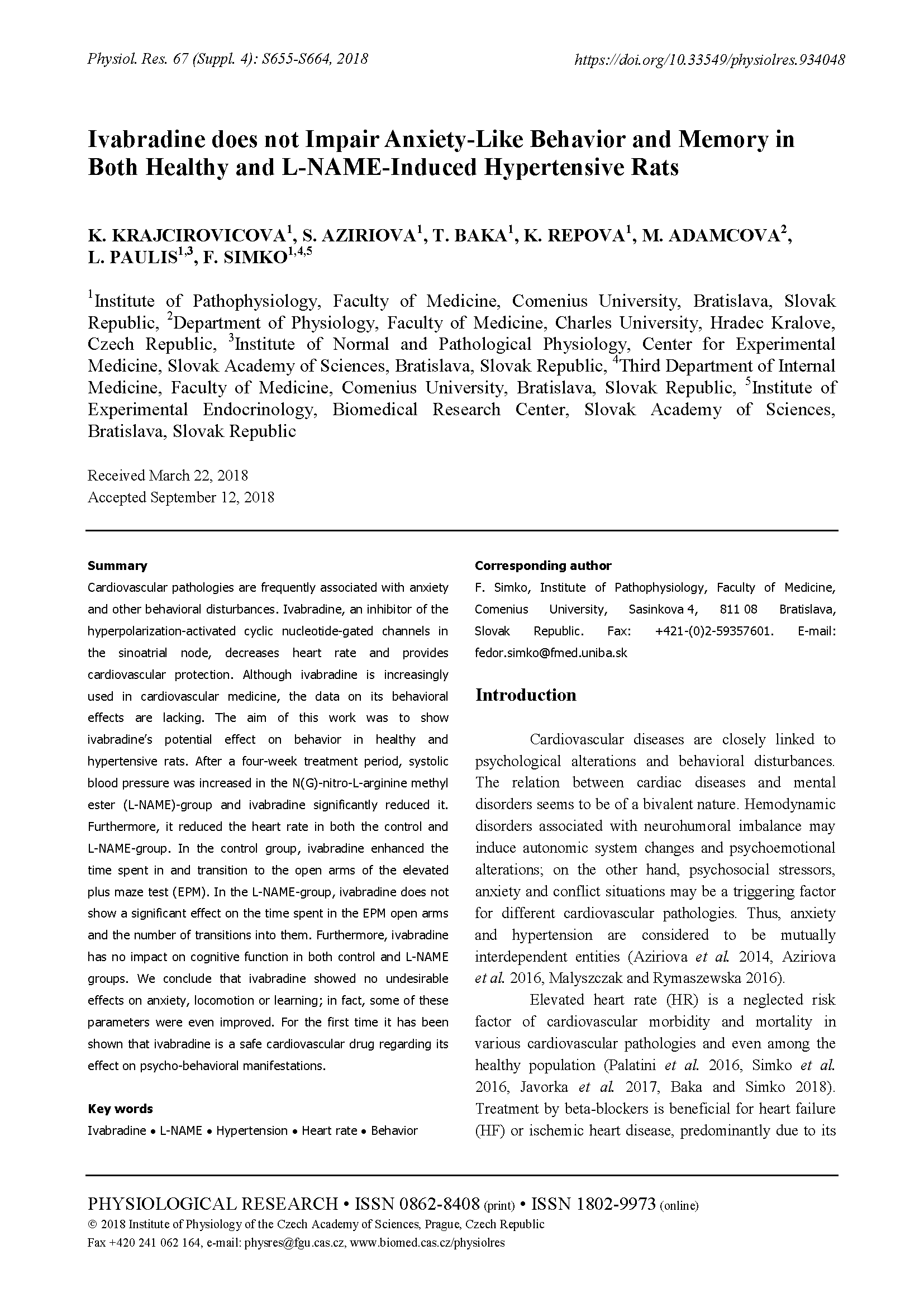
In nitric oxide-deficient hypertension, we showed that ivabradine decreased elevated blood pressure and heart rate, improved deleterious cardiac and kidney remodelling, systolic and diastolic cardiac function, and decreased serum aldosterone without affecting the renin-angiotensin system.
In an animal model of isoproterenol-induced myocardial injury, ivabradine improved survival and attenuated cardiac remodelling.
Furthermore, we showed ivabradine to lack any undesirable effects on behaviour.
In this context, we hypothesized that modulation of the autonomic nervous system by ivabradine might have contributed to its antihypertensive effects.
Collectively, our results suggest a potential of ivabradine in the management of hypertension associated with elevated heart rate.

Sacubitril/valsartan to treat
pre-hypertension/hypertension
pre-hypertension/hypertension
anxiety disorder
Disease
Treatment
sacubitril/valsartan
Sacubitril/valsartan, the first representative of a new medication group angiotensin receptor/neprilysin inhibitor (ARNI), has been recommended for the treatment of heart failure. However, its effects in hypertension – one of the predominant risk factors of heart failure – have been unknown.
Therefore, we tested the effect of sacubitril/valsartan in two animal models of pre-hypertension (continuous light-induced and lactacystin-induced pre-hypertension) and two animal models of hypertension (nitric oxide-deficient hypertension and spontaneously hypertensive rats).
In all four animal models, sacubitril/valsartan decreased systolic blood pressure, attenuated cardiac remodelling and improved cardiac function. Interestingly, the cardioprotective effects of sacubitril/valsartan were associated with angiotensin II blockade and increased levels of the protective angiotensin 1-7. Sacubitril/valsartan is void of deleterious effects on behaviour.
Collectively, our results suggest that sacubitril/valsartan could exert cardioprotective effects in hypertension by modulating the protective arm (ACE2/Ang 1-7/Ang 1-5/MasR) of the renin-angiotensin-aldosterone system.